

Lorry Perkins
Writer, Travel Blogger


Related Posts
- Weather in Riviera Maya, Mexico: When is the Best Time to Visit Riviera Maya
- Things to Do in Isla Mujeres, Island of Women
- Shoes On, Still Traveling: Michael Cahill Bed and Breakfast, Ashtabula, Ohio
- Bed & Breakfast | Ashtabula, OH | The Dreamcatcher Inn | Near Lake Erie
- Adventure Awaits: For a Good Time…Take a Jeep Ride in Cozumel
- Niagara on the Lake Ontario, Canada | Visit Queen Street | Wineries – Including Peller Estates Winery and Restaurant
Florida’s Gulf Coast: Sarasota, Anna Marie Island, St. Petersburg and More
Beyond the Beach: A Different Side of Florida’s Gulf Coast
How we salvaged our beach vacation when the temperatures dipped by Megan Wojcik
My good friend Megan Wojcik graciously wrote yet another travel adventure for my readers. Her trip to Florida’s Gulf Coast took a turn when temperatures were unseasonably cold. Undeterred, she salvaged her vacation, discovering what this area offers beyond the typical beach vacation. Enjoy her beautiful photos and make notes if your future travels take you to this area of Florida, full of exciting and memorable activities. Thank you again, Megan, for sharing your travels with us.
Photos courtesy of Megan Wojcik
After planning an “all beach, all the time” escape from winter, we had to resort to Plan B when we discovered Bradenton, Florida, was going to be experiencing cooler-than-usual weather.
But what’s Plan B, we asked ourselves? We go to big cities for heritage-type travel. We go to Florida for the beach. After a few frantic internet searches, we managed to put together a fun schedule, heavy on museums and parks, that opened our eyes to another side of the Sunshine State. The best news? Most of the places on our itinerary were free!
Going from 0 to 49 (degrees), Arriving at Sarasota Bradenton International Airport
If you’ve ever landed at Sarasota Bradenton International Airport, you know you exit the plane on an open-air ramp. Usually, a burst of warm weather is the first thing you notice. When we landed, it was a breezy 49 degrees that hit us. But considering we were leaving weeks of freezing temperatures and a foot of snow on the ground, we didn’t mind.
The airfare was the reason we booked the trip. We usually like to go to Hollywood Beach on the Atlantic Coast. But $84 roundtrip tickets on Allegiant drew us to the Gulf Coast. That and the fact that we used to visit family in Bradenton and had developed a fondness for Anna Maria Island, one of the local beaches.
The coast wasn’t the only difference. We usually travel to Florida later in February. But with our bargain airfare combined with a reasonable Airbnb, February 1-8, 2026, was our return to Bradenton.
We last visited in 2011. Unfortunately, between COVID and hurricanes, some of our favorite shops and restaurants were gone. In fact, as we drove around, we noticed boarded-up houses and tarps covering roofs. There’s still a lot of damage from hurricanes Milton and Helene. It was a good reminder to us Northerners that though a hurricane seems to pass through an area quickly, clean up and repairs can go on for years.
Sunset on Siesta Key
Our first stop was the Siesta Key Drum Circle, which we found via an internet search of “free things to do in Sarasota.” This free weekly event, starting about one hour before sunset each Sunday, can draw hundreds of people. Because of the cold, we were among about 30 people huddling together for warmth. But we still enjoyed the rhythms of the drums as the sun set over Siesta Beach. It’s a very informal gathering. If you want to dance, dance. If you want to bring a chair and just listen, you’re free to do that, too.
Sarasota with a Side of Italy at the Ringling Museum of Art
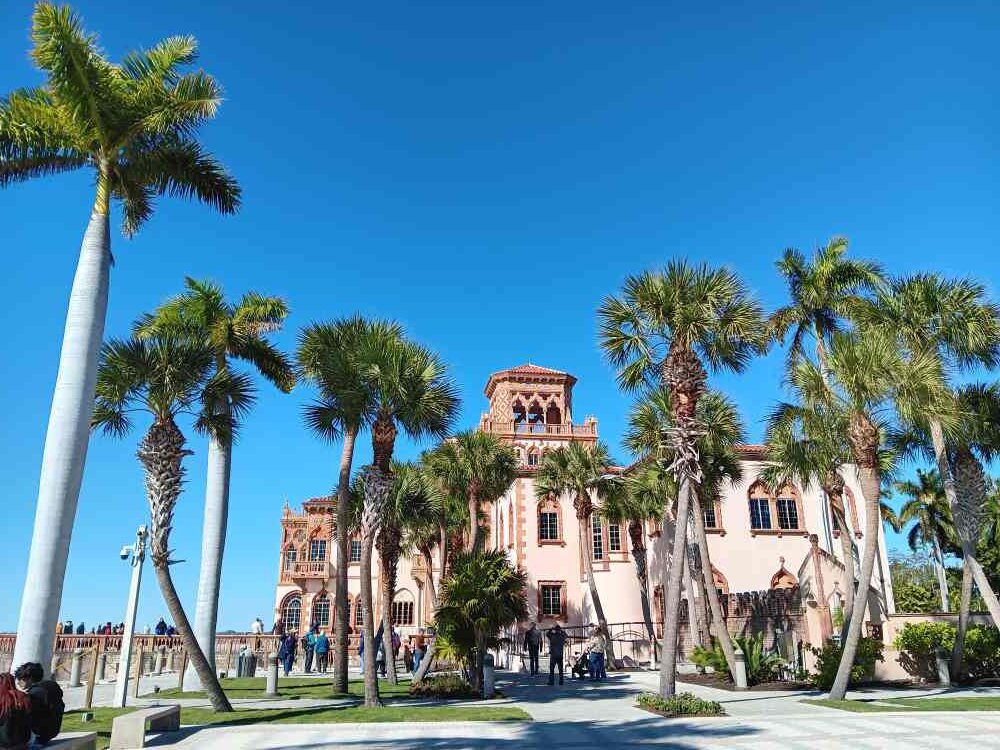
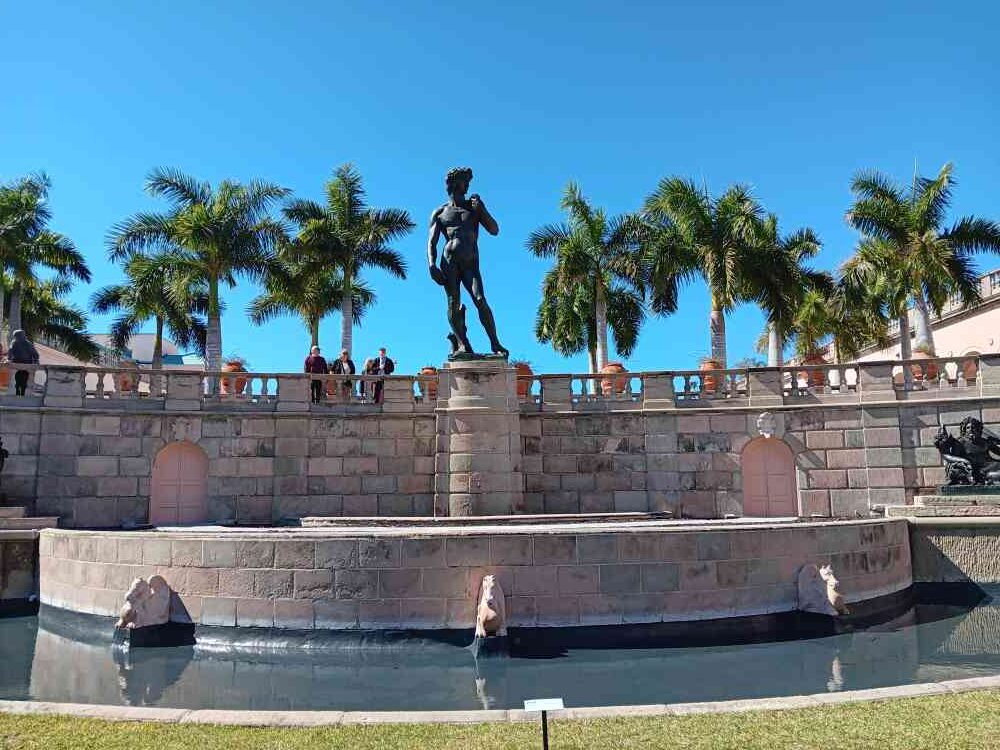
The next day, we got up early for our first museum visit. The Ringling Museum of Art in Sarasota offers free admission every Monday. And yes, it’s named after the circus folks. John Ringling, one of the five brothers who started the Ringling Brothers circus, and his wife, Mable, made Sarasota their winter headquarters. The art museum, which opened in 1932, is on the grounds of their 66-acre estate, and we were shocked at the treasures inside. Like many wealthy people of the day, John was interested in amassing a collection of world-class art. The result is a huge museum full of Renaissance and Baroque paintings—a gallery was specially built to house his Rubens collection—and ancient Mediterranean art.
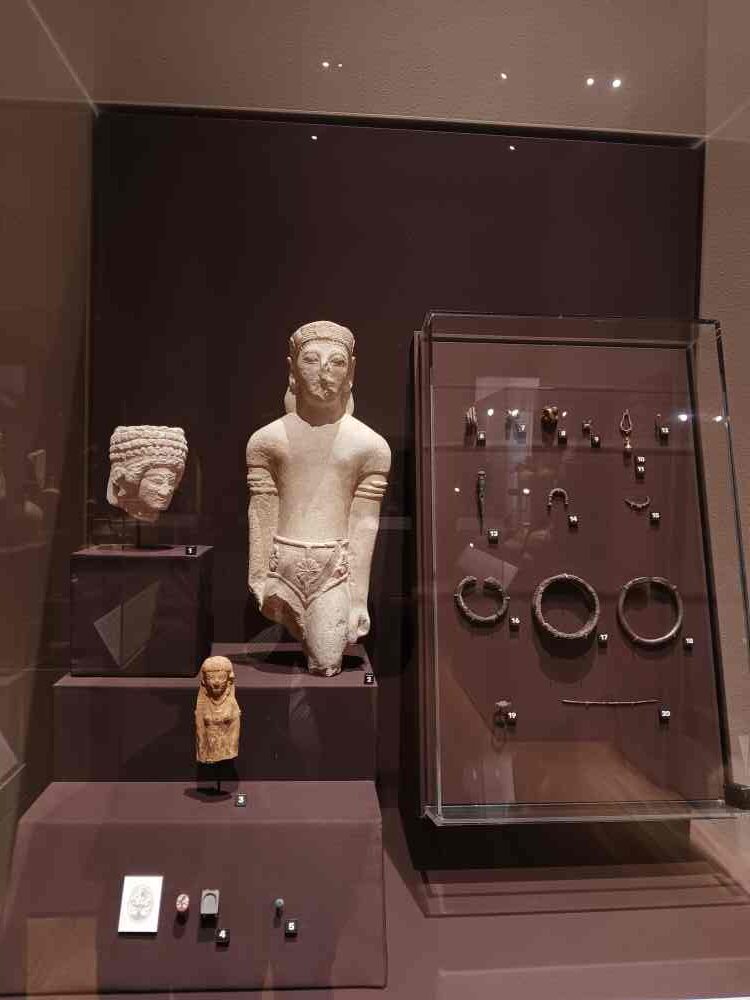
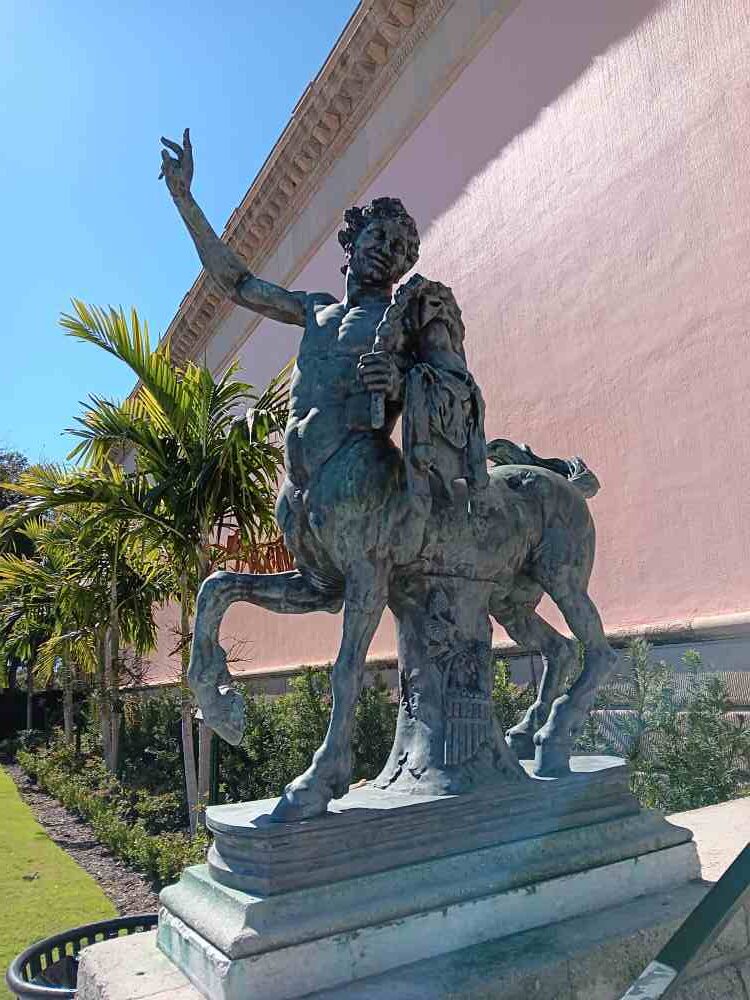
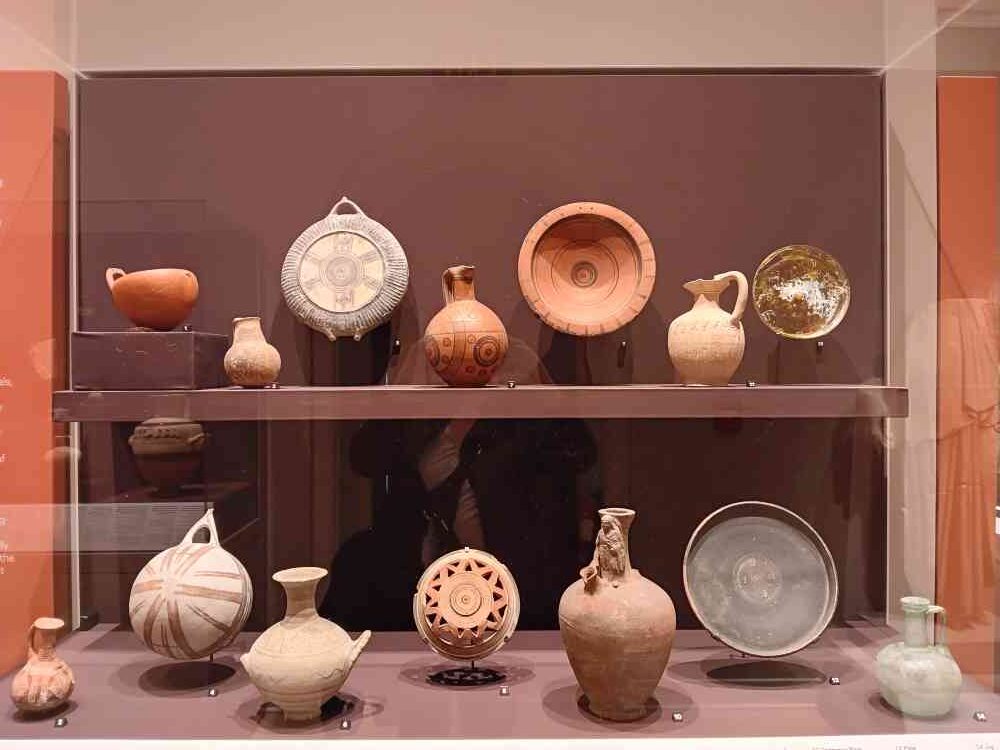
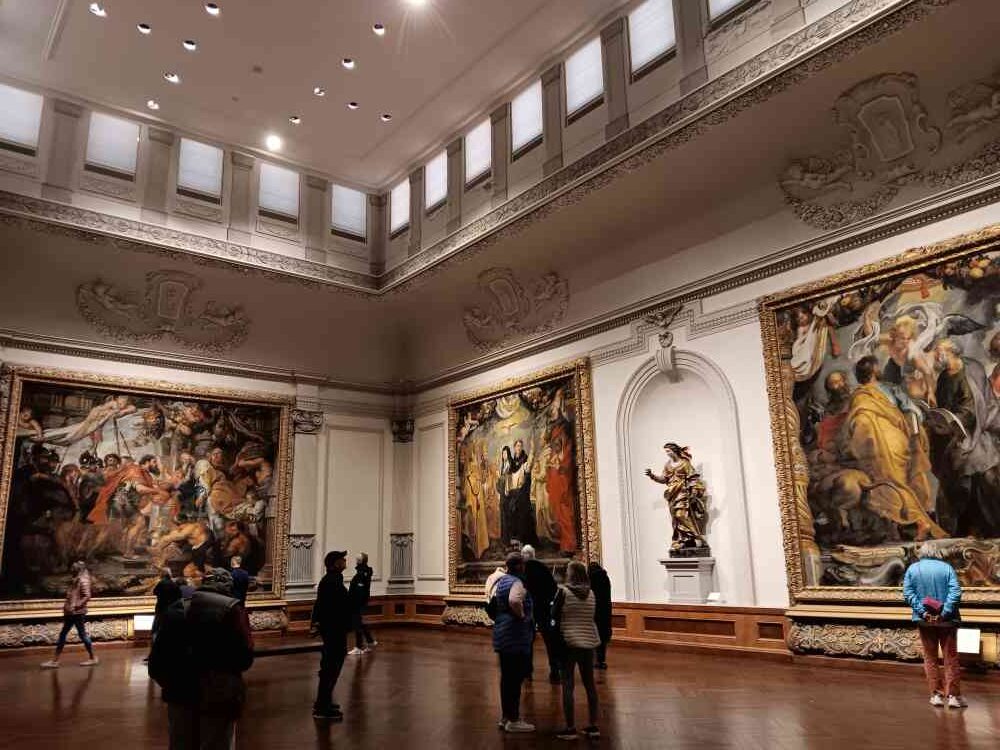
As we were thinking, “This reminds us of what we saw in Italy,” we overheard another couple remark, “This reminds us of our trip to Greece.”
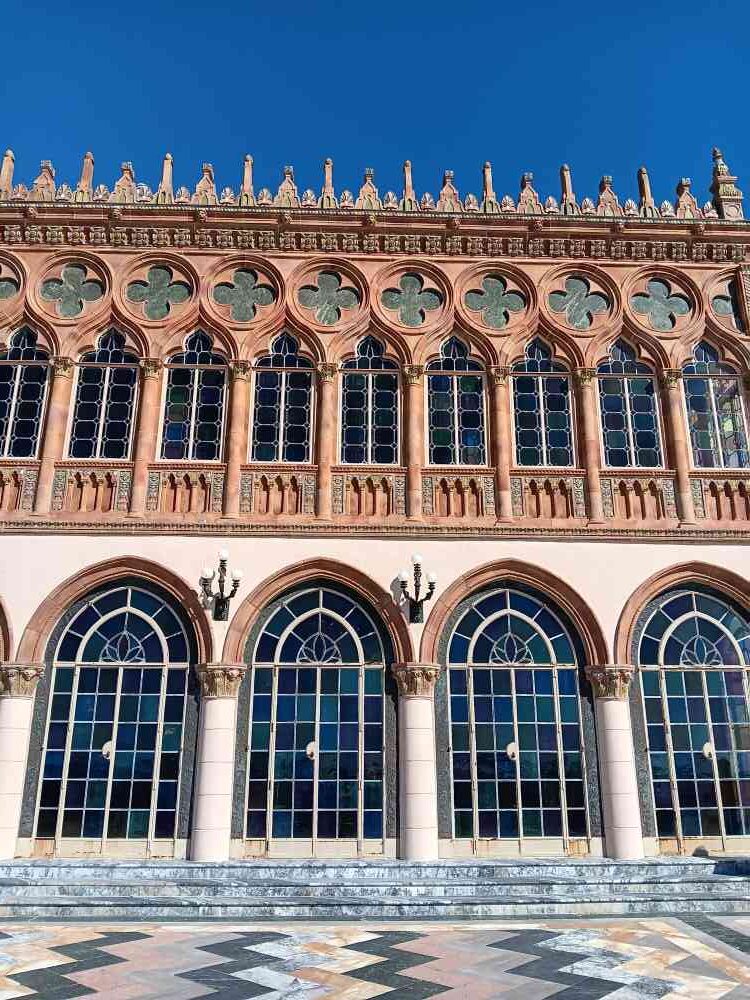
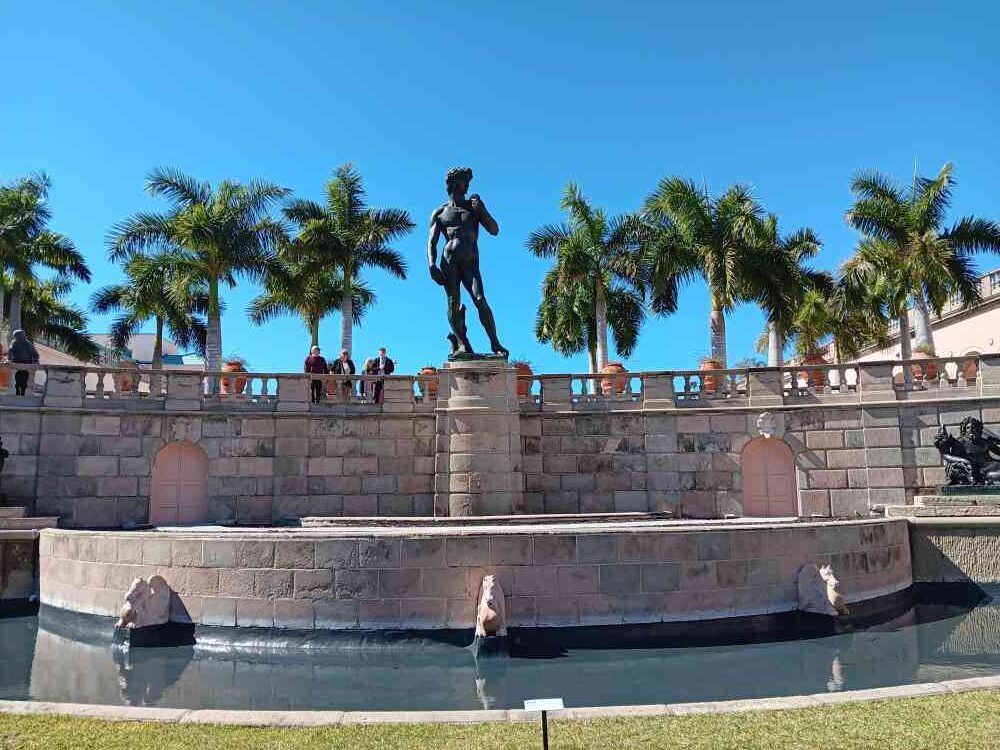
Cementing the European feeling is an outdoor garden that looks like it was plucked from an Italian villa. Think covered marble loggia, fountains, and bronze and stone sculptures. We finished our day by walking the grounds and admiring the exterior of the Ringling’s waterfront Mediterranean Revival-style mansion, Ca’ d’Zan. Mansion admission isn’t free. Neither is entrance to The Circus Museum. Before you leave, stop by the well-curated gift shop.
Life on Florida’s Frontier, Manatee Village Historical Park
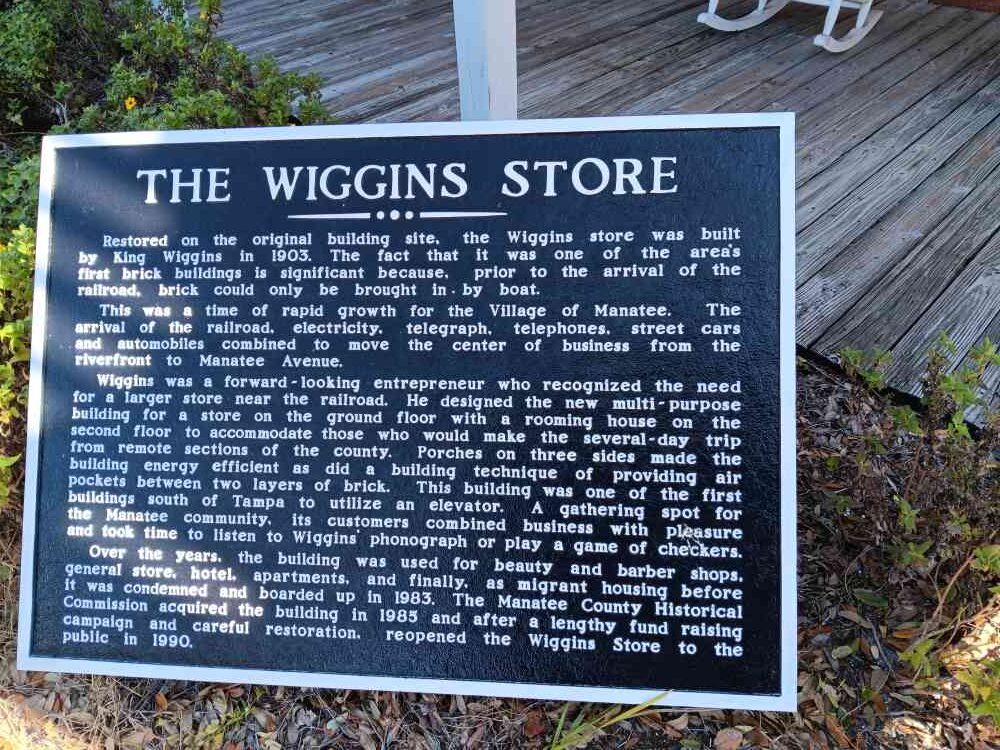
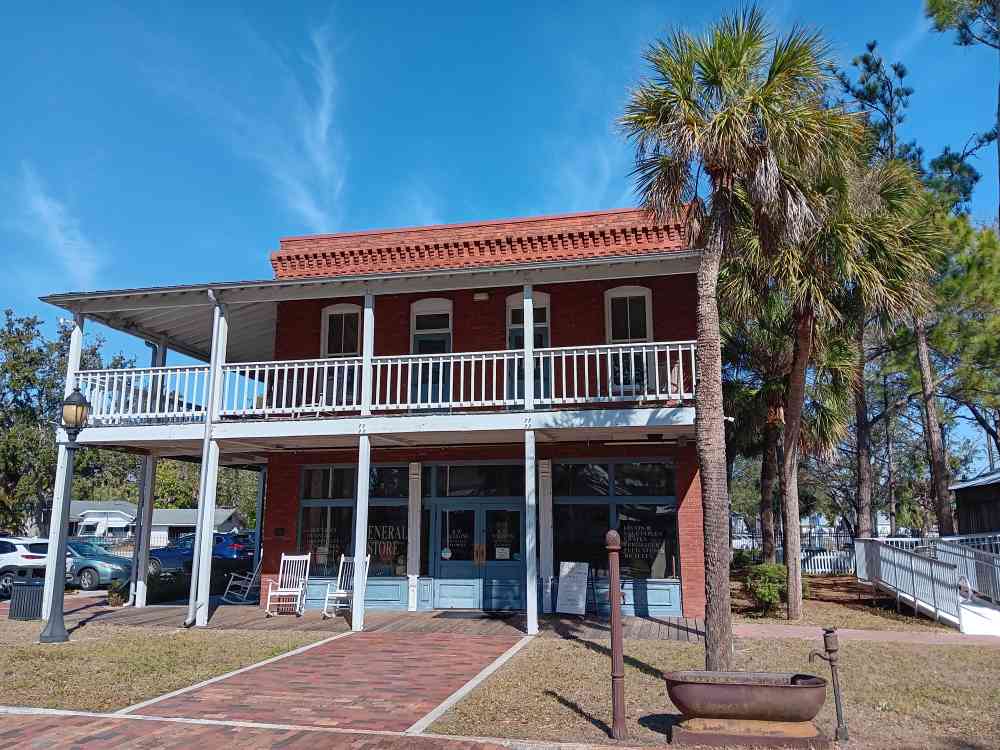
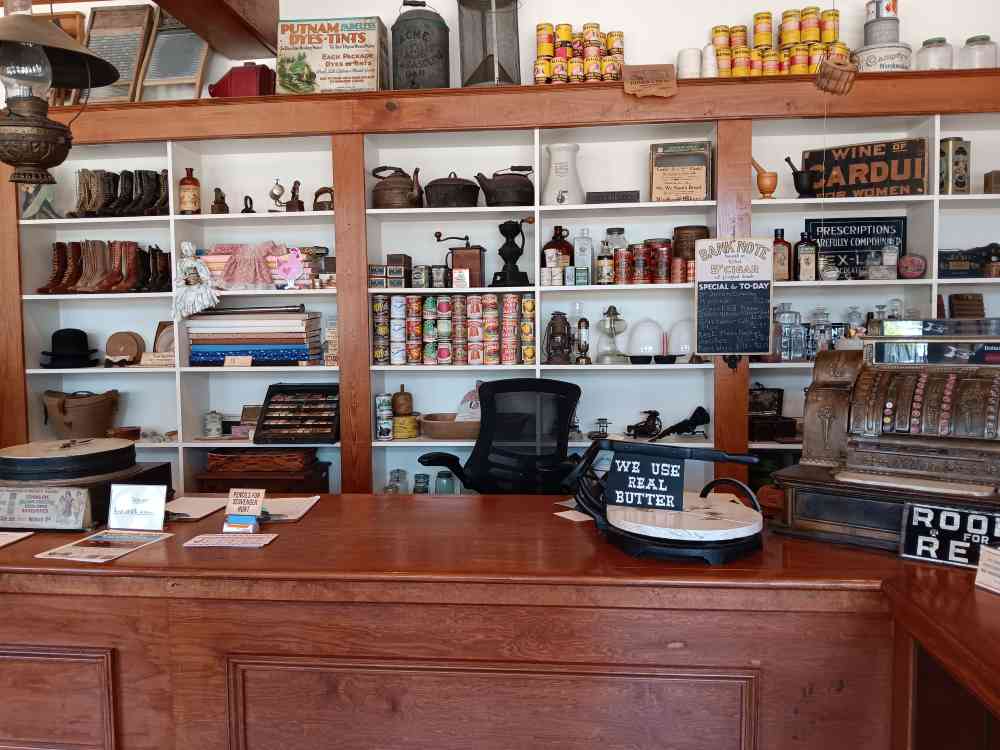
The sun greeted us the next day as we headed to a museum of a different sort. Manatee Village Historical Park is a collection of historic buildings that tell the story of Manatee County (where Bradenton is located) from its founding era of 1840-1918. Then, it was considered the frontier. But a growing number of settlers needed supplies. Hence, the Wiggins General Store. The store, which dates to 1903, sold dry goods, groceries, and gadgets. And it looks like it would’ve in its heyday, with era-appropriate merchandise on the shelves. Visit the second floor to see exhibits on Manatee County history. Before you leave, grab a guide to the village and, if you’d like, make a donation. Otherwise, the visit is free.

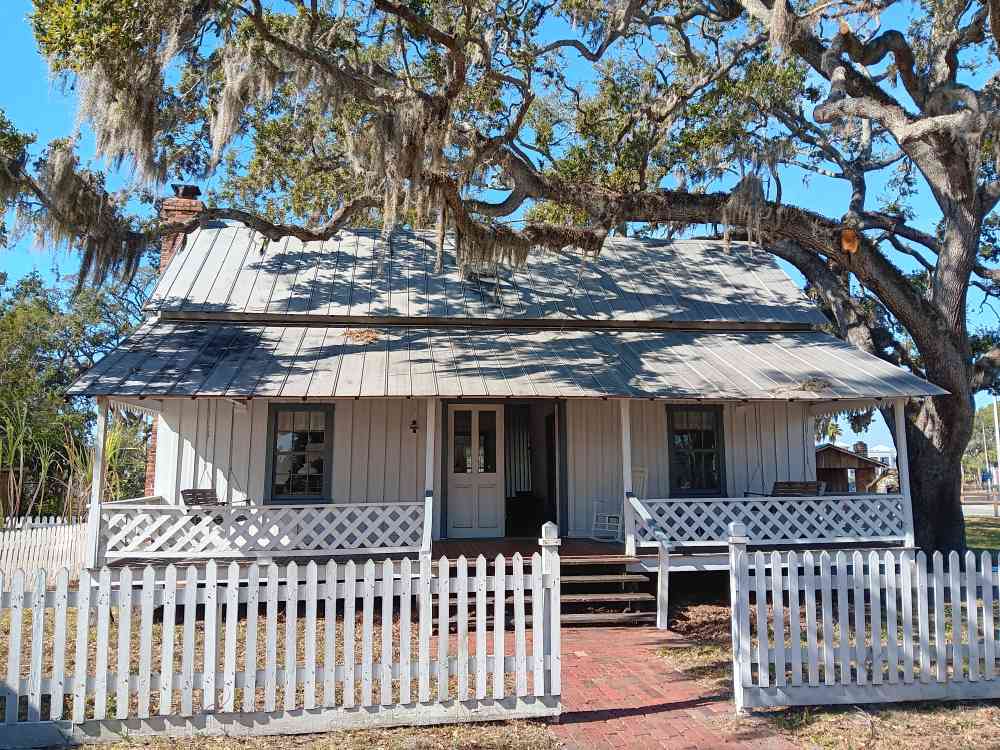
As you wind your way under grand old oaks draped with Spanish moss, you’ll see a smokehouse and mill, a house dating to 1912—with ingenious low-tech ways to keep cool in the Florida heat, a barn, a one-room schoolhouse, Florida’s earliest courthouse built in 1860, a blacksmith shop, boat works, a 1913 locomotive and tender, and an 1887 church that still hosts weddings, baptisms and memorial services.
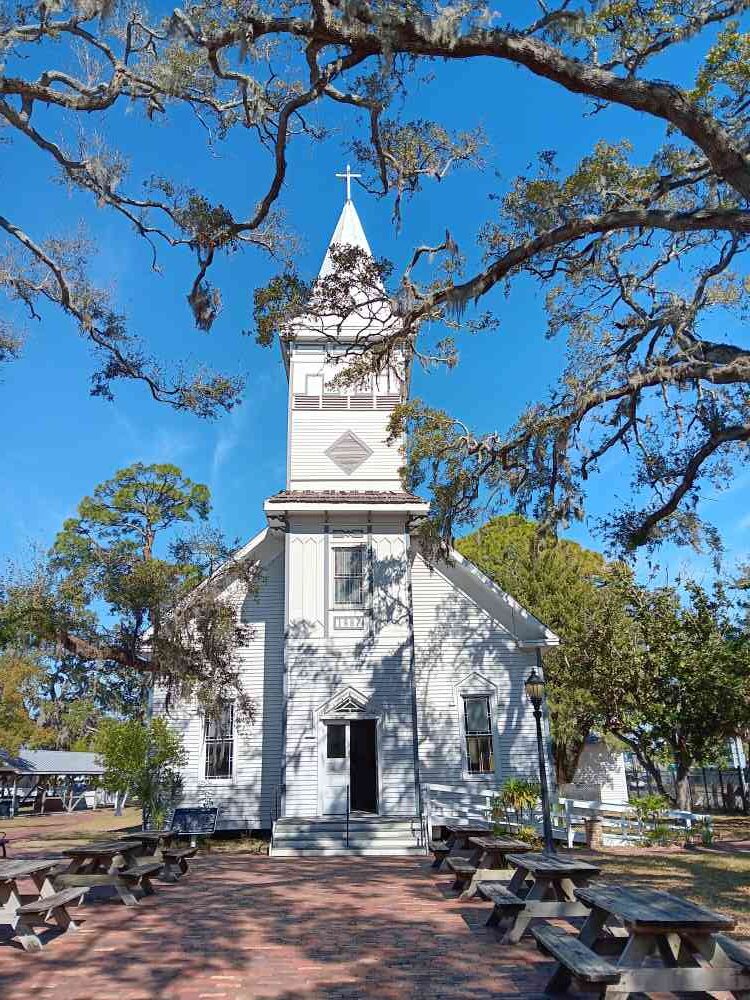
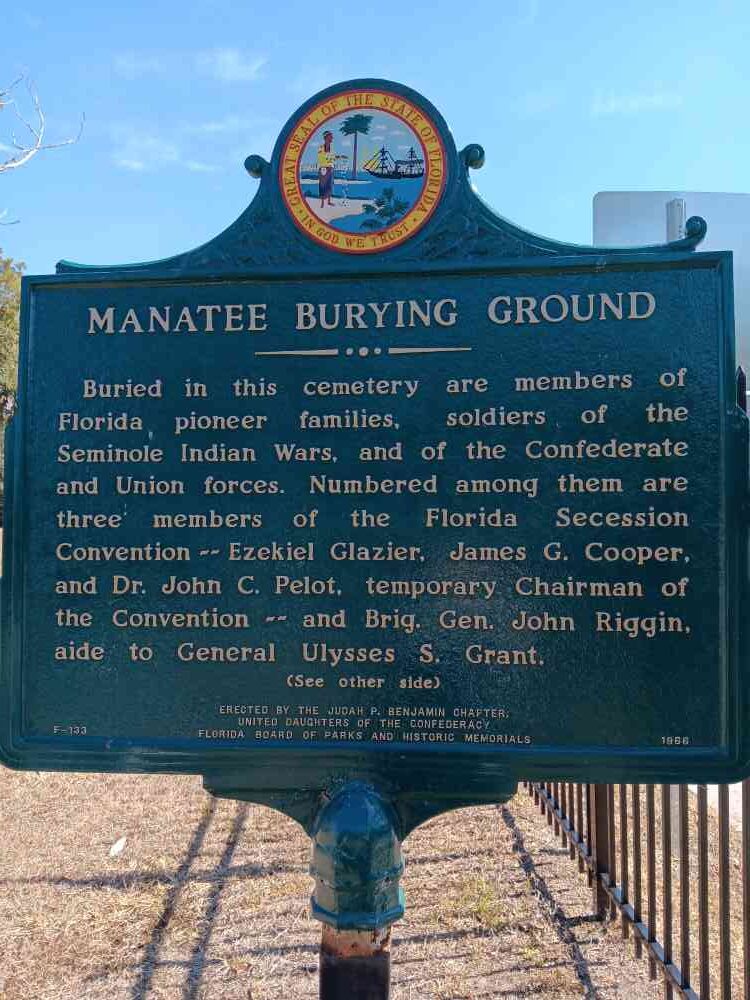
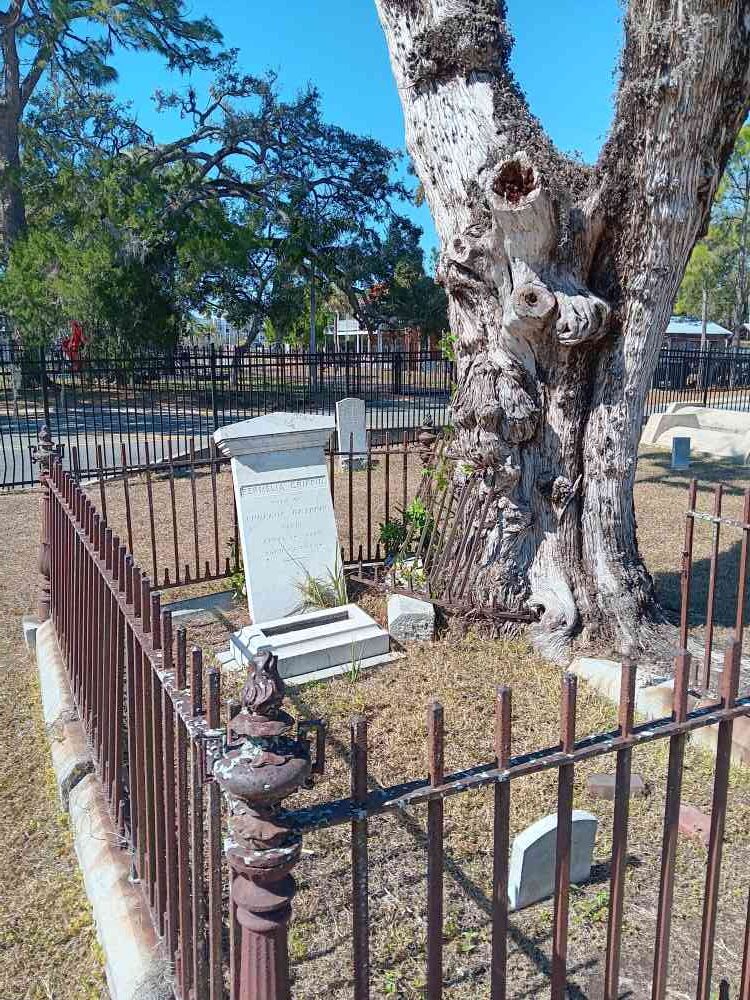
When you’ve finished your stroll through the village and its buildings, return to the general store to get the key and guide to the 1850 cemetery. You have to cross a quiet street and unlock the padlock on the gate. We had a ghost encounter while there: It was a calm day, but suddenly a strong gust of wind came out of nowhere and scattered the pages of the cemetery guide—which were tightly clipped together—into the air. When we returned the key to the staff at the general store, we shared our story only to find out we weren’t the only visitors to report a ghost.
That evening, we met lovely friends for dinner at Swordfish Grill. In addition to wonderful conversation and delicious seafood, they gave us some great tips on where to go—Coquina Beach Market—and where to get food—Detwiler’s Farm Market. We ended up visiting both places the next day.
Finding our Perfect Patch of Sand, Coquina Beach
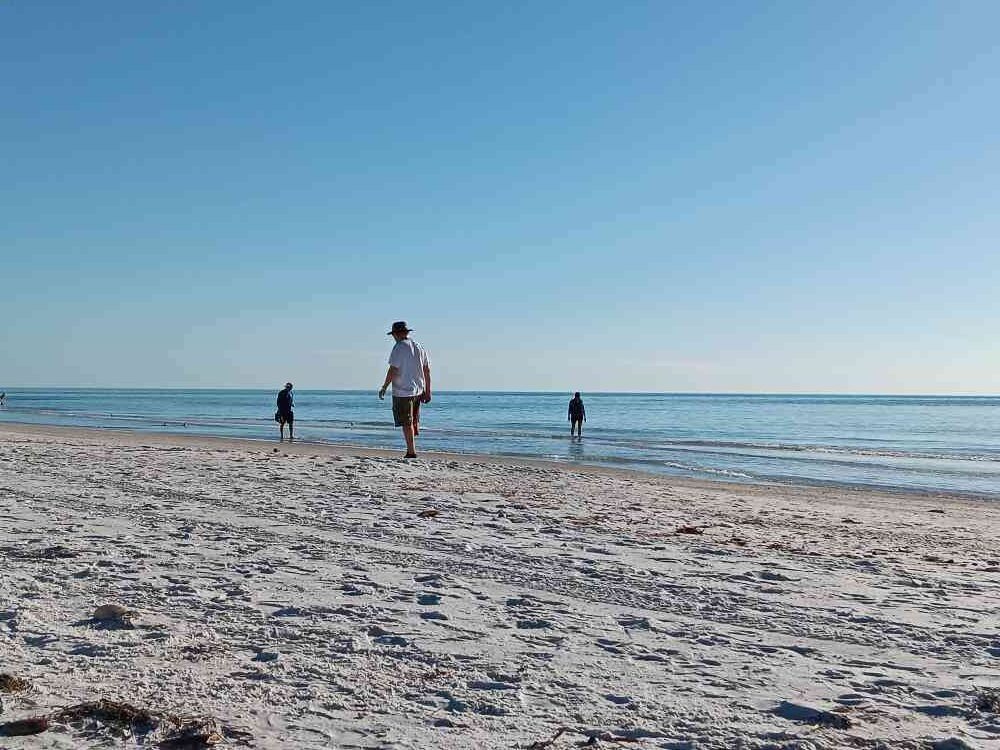
Our favorite beach in the Bradenton area had been Holmes Beach on Anna Maria Island. However, armed with our friends’ tip, we visited the Coquina Beach Market (10 a.m.-2 p.m. Wednesdays, Fridays, and Sundays). We enjoyed looking at the crafts produced by local artisans, but were especially happy to find a new beach. Coquina Beach, located on the southern end of Anna Maria Island, has plenty of free parking, shaded picnic areas, restrooms with showers, and a cafe. Most importantly, the beach is wide and peaceful—perfect for our long-awaited beach day.
We finished the day at Detwiler’s Farm Market, which has six locations throughout the Sarasota area. We visited the Bradenton location frequently for fresh seafood, local produce, quick lunches, and the hot foods bar (pro tip: all hot foods are marked 50% off starting at 7:30 p.m.).
A Date with Gentle Giants
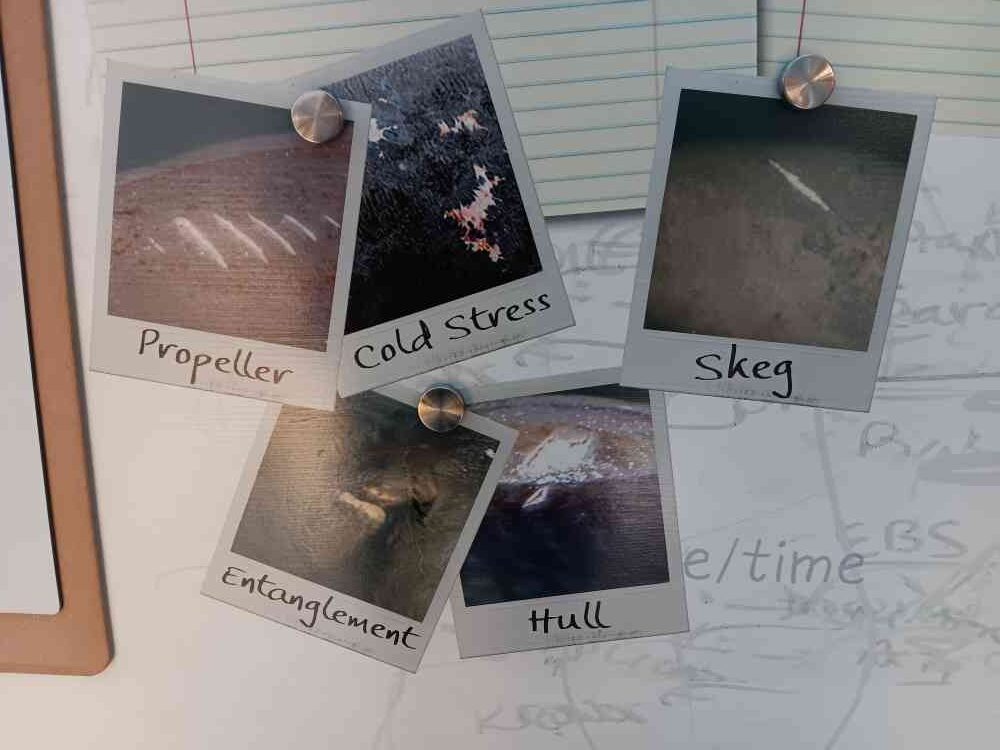
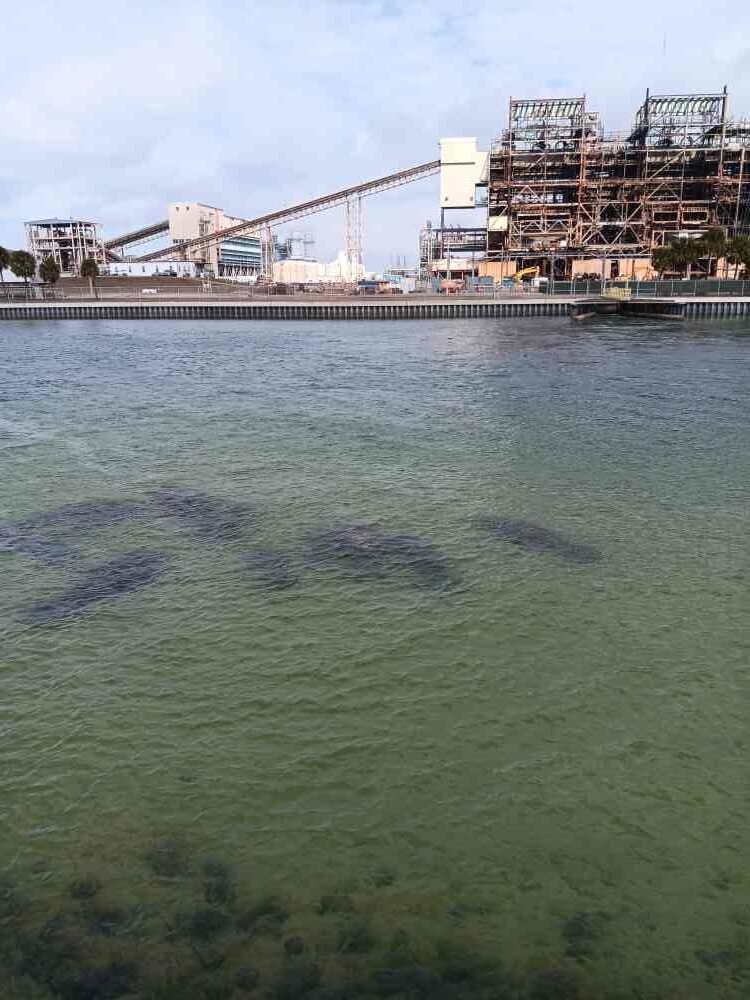
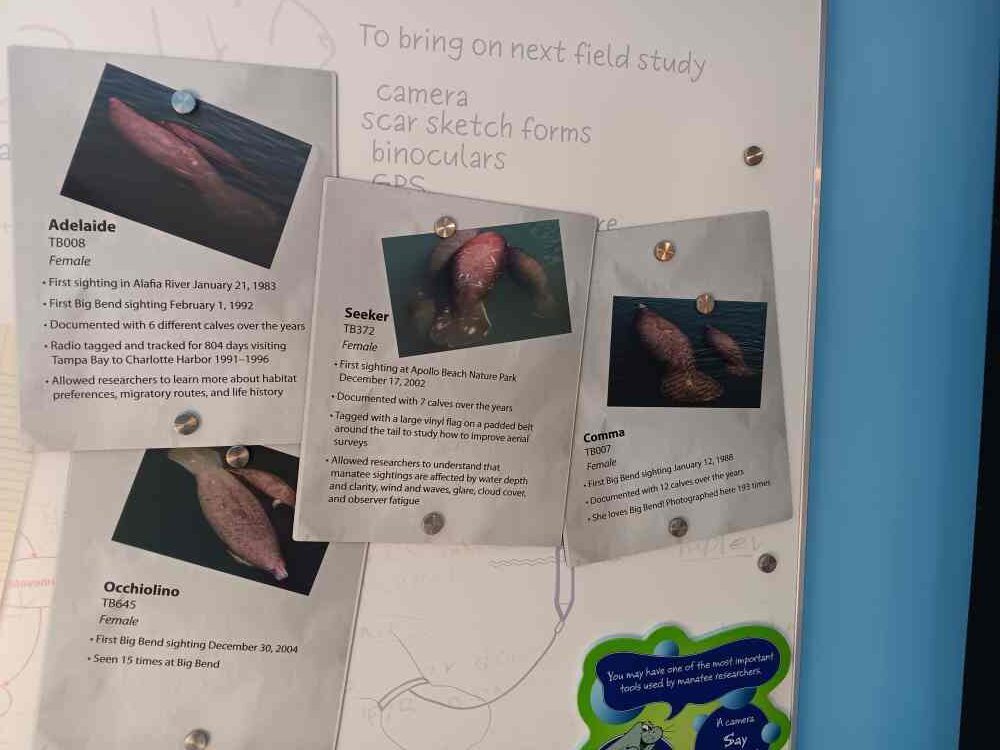
The next day, we headed 30 minutes north to St. Petersburg. On our way, we stopped at the Manatee Viewing Center at Big Bend Power Station in Apollo Beach. This is where manatees gather in colder weather to soak up the warmth of the power station discharge canal, which is a state and federally designated manatee sanctuary. Walk along the raised viewing platforms on the water to see these gentle giants gathered together. During your visit, duck into the education center to learn about manatees, touch rays in a special touch tank, and walk the coastal habitat trail to see a variety of plant and animal life. Everything is free, including parking, and you can check the site’s live webcams to see if manatees are in the area before you go.
Imagine Museum in St. Petersburg
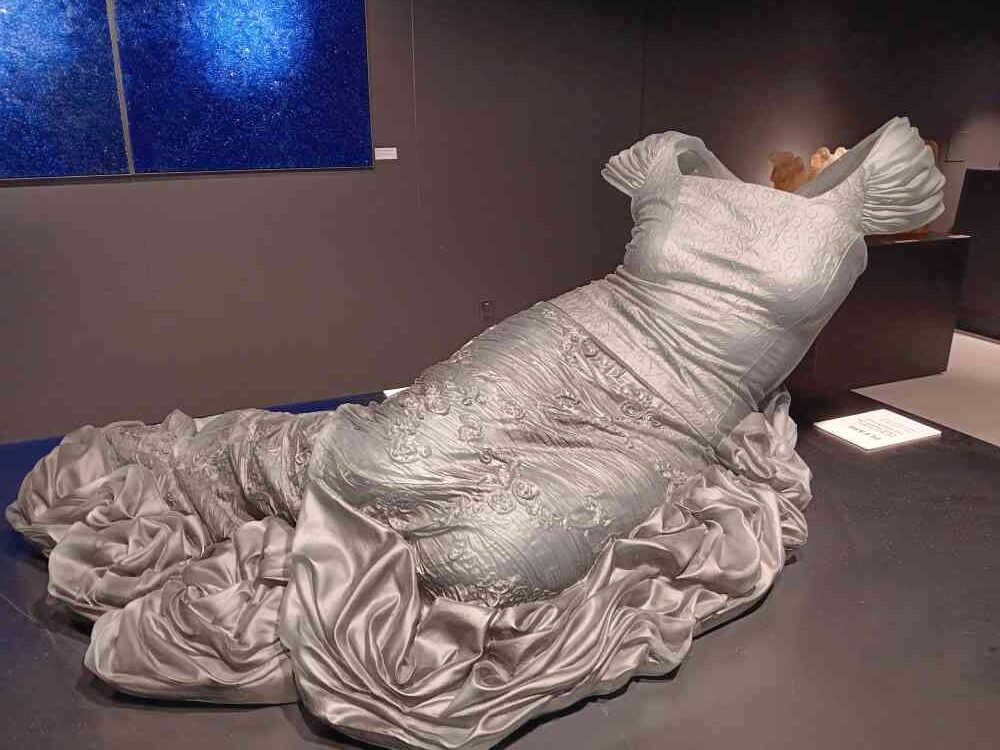
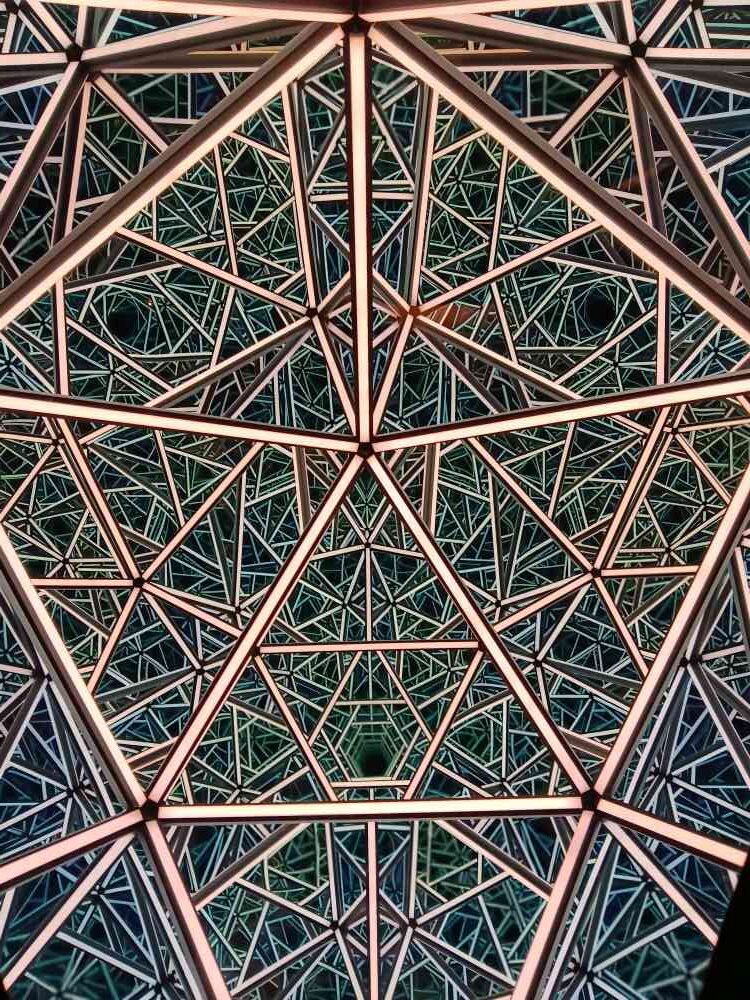
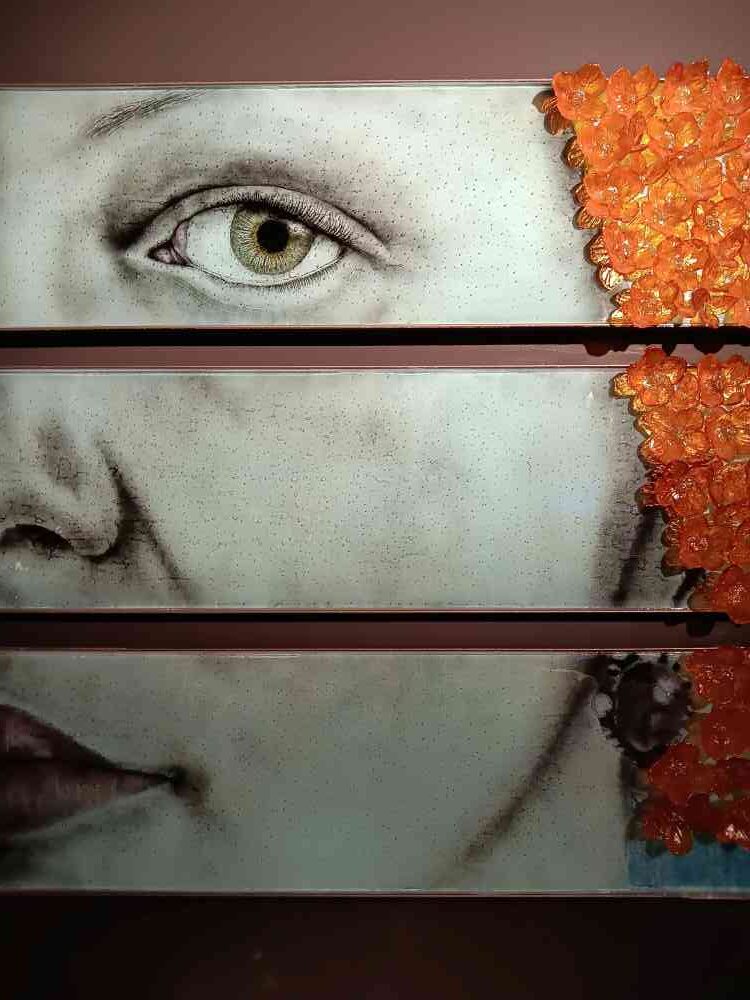
After our manatee encounter, we drove to the Imagine Museum in St. Petersburg. We were blown away by its collection of contemporary glass from around the world. We appreciated how artists use their creativity and ingenuity to push the boundaries of what can be done with glass. You won’t regret taking the time to visit this amazing museum. General admission is $10 for children, $13 for seniors, and $15 for adults, but there are plenty of special offers on the museum’s website.
History in the Shadow of the Civil War
Rounding out our museum lineup, the next day we drove 15 minutes to Gamble Plantation Historic State Park. Here, we toured the only surviving antebellum mansion in Florida. The story of the mansion starts in 1843, when Major Robert Gamble, Jr., of Tallahassee arrived to start a sugar plantation on land he was given after the Armed Occupation Act, which offered settlers 160 acres of land if they would live on it for five years. The ultimate goal of the act was to help drive out the native Seminoles.
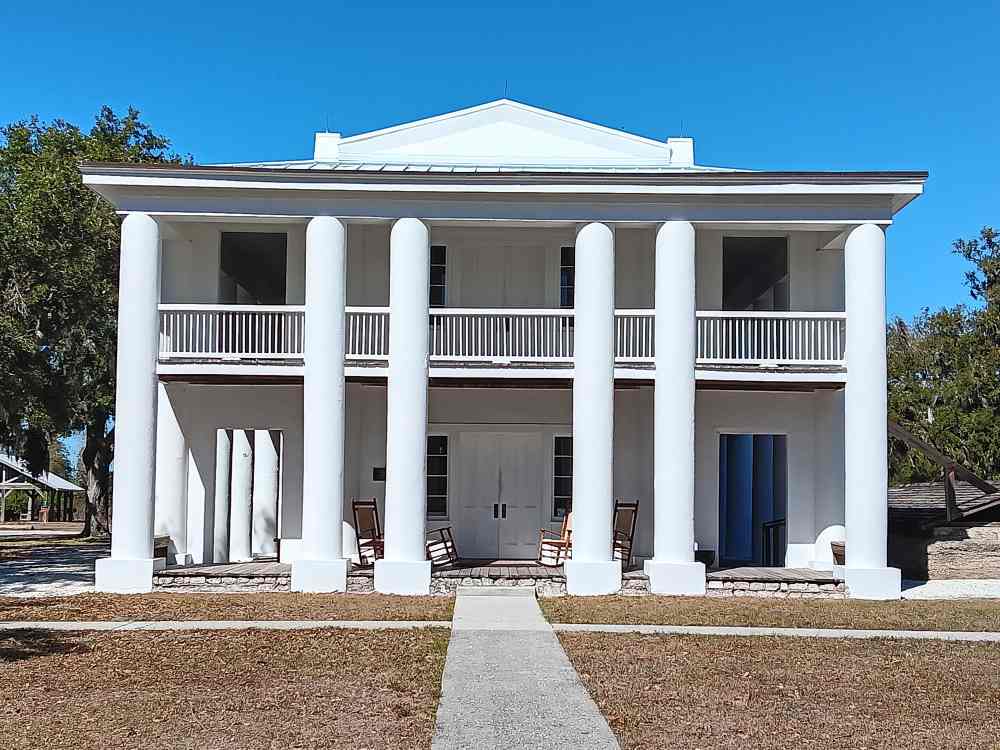
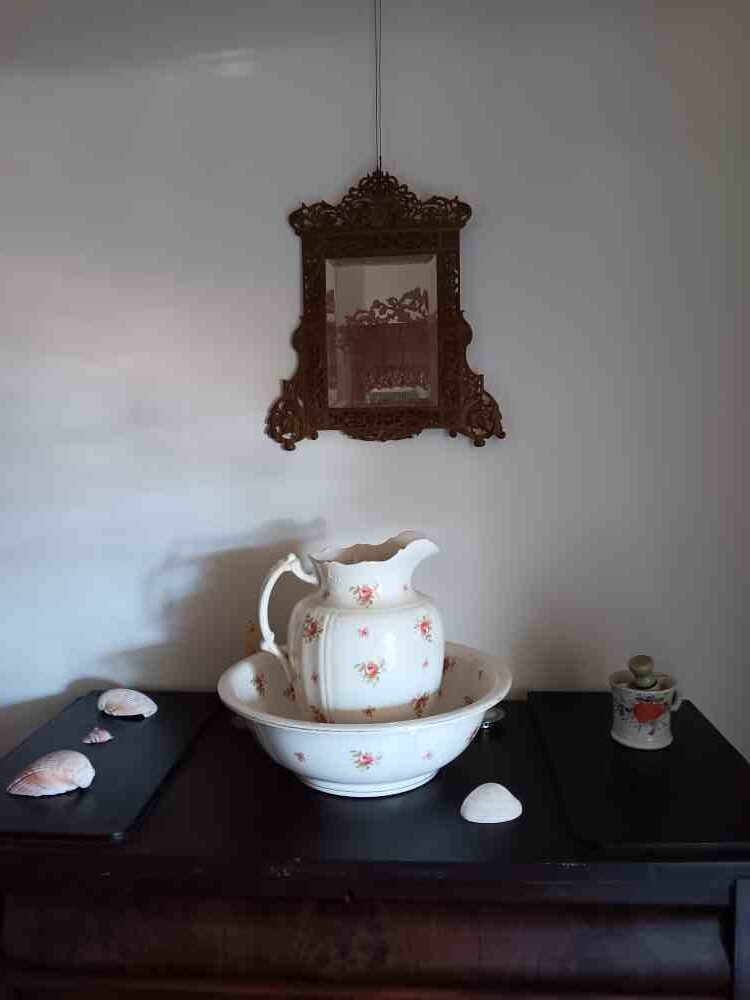
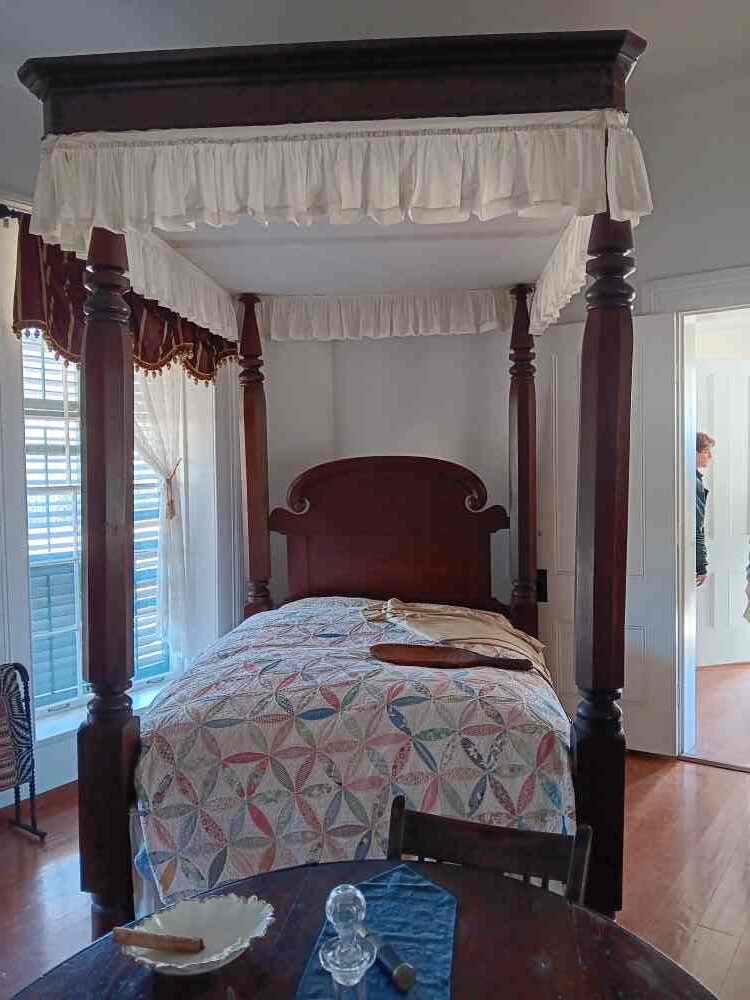
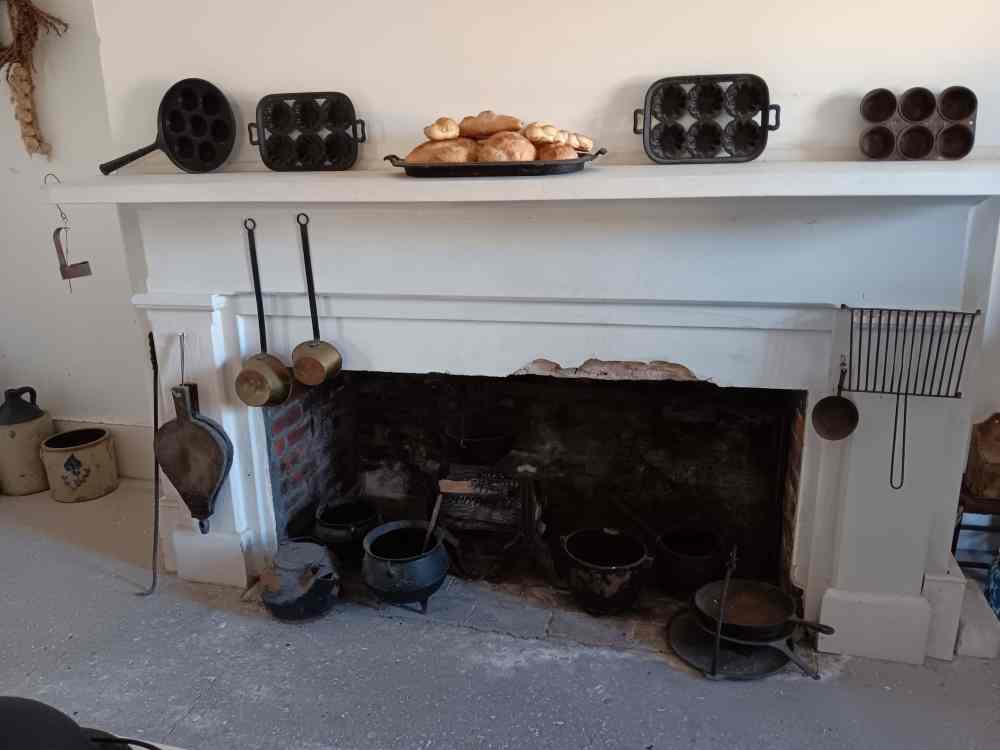
Gamble built his mansion with slave labor and local craftsmen. But the fickle sugar market drove him to sell the plantation in 1859. It sits almost as he left it. There’s no plumbing or electricity, as we learned from our tour guide, who helped us imagine living in this area right before the Civil War. Tickets are $6 and include the guided tour. The grounds feature majestic oaks, picnic areas, and a gazebo.
One Last Gulf Coast Sunset
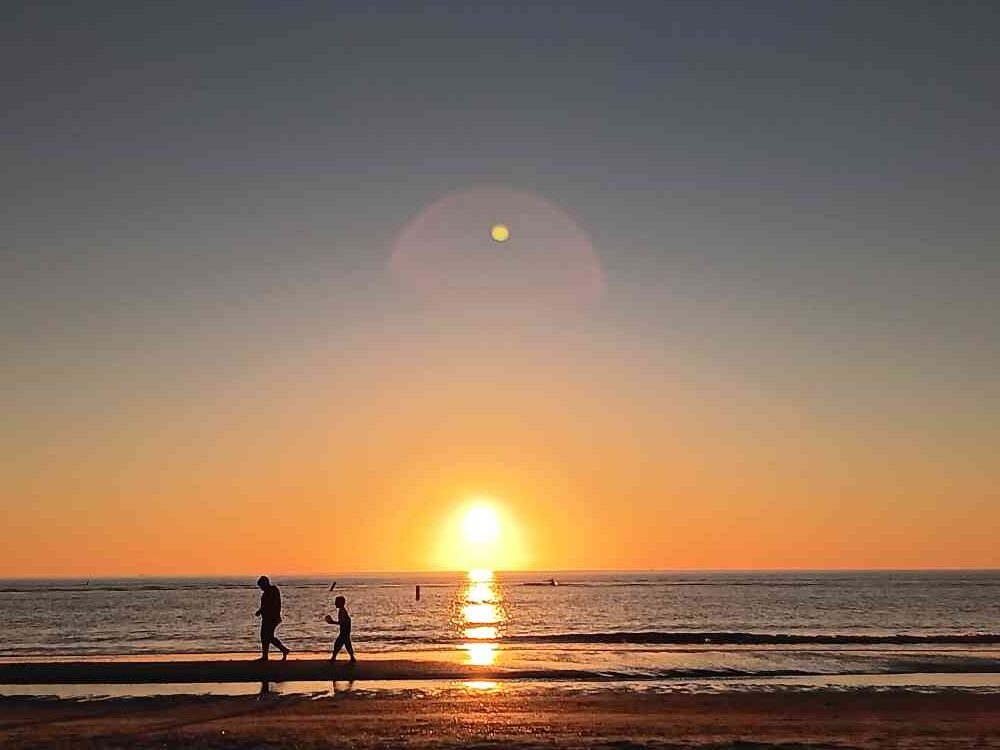
Our final day was spent at Coquina Beach, followed by a meandering drive through Longboat Key, Anna Maria Island’s neighbor. It wasn’t the trip we planned, but by being flexible and having an open mind, we had a very enjoyable week, and we learned so much about the area we’ve always just considered “the beach.”
About Megan Wojcik
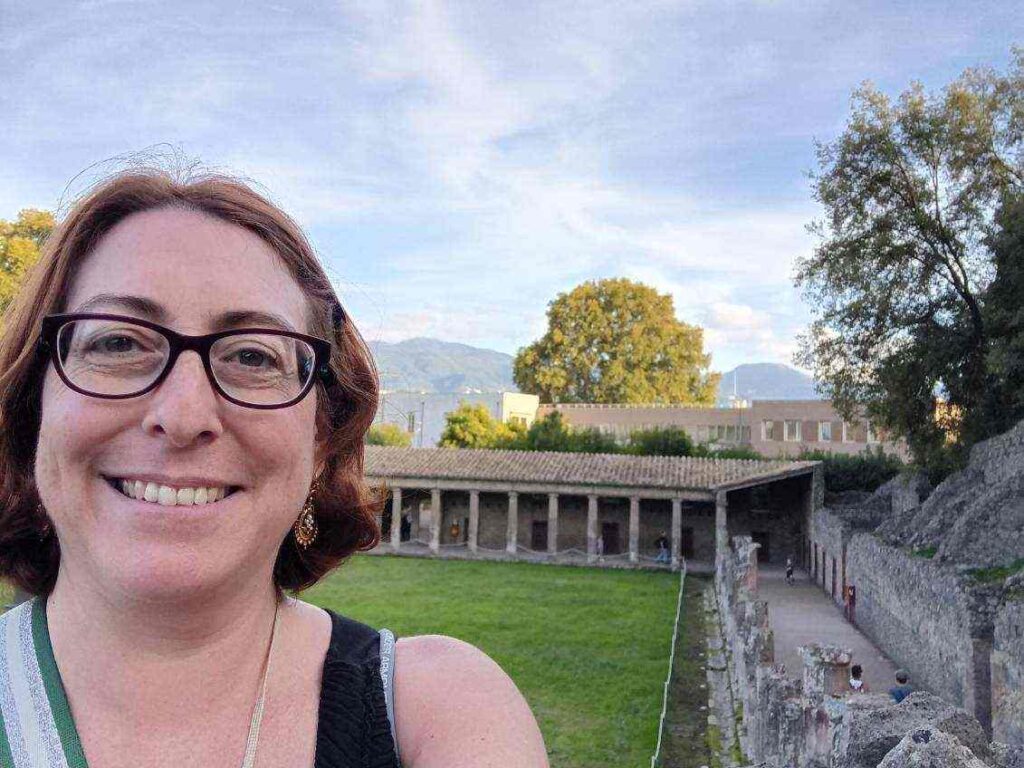
Megan Wojcik is a writer and editor in Pittsburgh who enjoys travel, British history, and collecting vintage purses.
Photo: Megan at Pompeii
All photos submitted by Megan Wojcik